Petroleum handling carries real environmental and safety risk. Our approach is to manage that risk through disciplined procedure, not through broad claims we can't stand behind.
Safe Operations
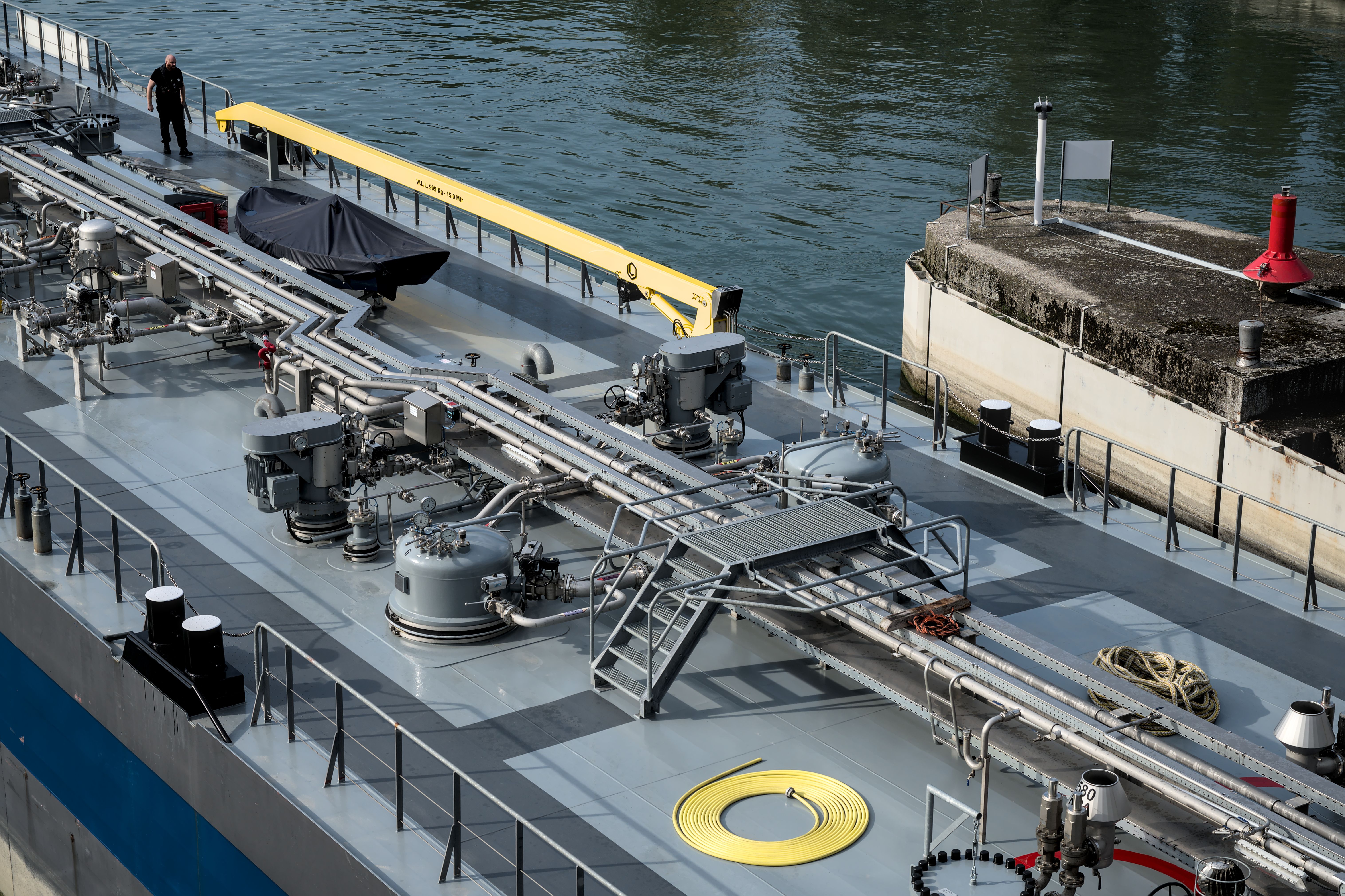
Every fuel delivery, storage transfer and cargo movement in our network carries operational risk — from vessel-to-vessel transfers to tank farm handling to pipeline transport. We plan each movement with documented procedures, clear handover responsibilities between parties, and a bias toward pausing an operation when conditions are uncertain rather than pushing through on schedule pressure.
Environmental Protection
We work with terminal and marine partners who maintain environmental containment and monitoring practices appropriate to petroleum handling, and we expect spill prevention equipment and procedures — containment booms, drip trays, vapour recovery where applicable — to be in place before a transfer begins.
Energy Efficiency
We plan vessel and cargo scheduling to reduce unnecessary waiting time at berth or anchorage, which reduces both operating cost and unnecessary fuel consumption by idling vessels.


Spill Prevention
Spill risk is highest during transfer operations — loading, discharging and inter-tank movement. Our coordination role includes confirming that transfer equipment, containment measures and emergency shutdown procedures are checked before operations start, and that a documented response plan exists at the terminal or vessel level.
Waste Management
Where our operations generate waste products (tank cleaning residues, contaminated water from transfers), we work with terminal partners who manage disposal through licensed waste handling arrangements appropriate to the jurisdiction.